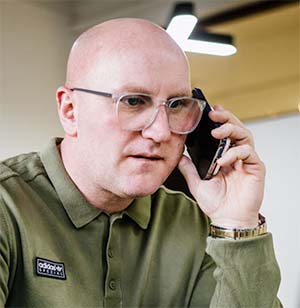


Insolvency isn't a sign of failure—it's a financial condition that many directors face. Chris Worden explains what insolvency really means, the warning signs, and the options available to directors in the UK.
- Insolvency is a financial state, not a personal failure.
- Two main tests: cash flow and balance sheet.
- Directors' duties change when insolvency arises.
- Ignoring insolvency increases personal risk.
- Options include informal arrangements, TTP with HMRC, CVA, administration, and liquidation.
- Early action gives more options and protection.
What is Insolvency?
Insolvency means your company can't pay its debts as they fall due (cash flow test) or its liabilities exceed its assets (balance sheet test). Many directors don't realise they're insolvent until it's too late. Chris Worden highlights that most directors aren't reckless—they simply don't understand the signs or implications.
Common Misconceptions
People often associate insolvency with bankruptcy, losing their home, or being banned from running a business. In reality, insolvency is a process, not a punishment. Most directors are honest and hardworking, caught out by circumstances beyond their control.
Warning Signs of Insolvency
- Consistently late payments to HMRC or suppliers
- Using VAT or PAYE funds as working capital
- Maxed out company credit cards and overdrafts
- Taking on personally guaranteed debts
- Emotional stress: anxiety, sleepless nights, avoiding bank statements
Directors' Duties Change
Once a company is insolvent, directors must prioritise creditors' interests over shareholders. Ignoring this shift can create personal liability and risk disqualification.
Options for Insolvent Companies
1. Do Nothing (Not Recommended)
Burying your head in the sand is the most dangerous option. Creditors may issue a winding up petition, leaving you with no control.
2. Informal Arrangements
Negotiate directly with creditors. This can work if your business is viable and creditors cooperate, but offers little protection if you default.
3. Time to Pay (TTP) Arrangement with HMRC
Spread tax arrears over a longer period. Ensure all returns are up to date and stick to the agreed payments.
4. Company Voluntary Arrangement (CVA)
A formal process for viable businesses where debts are the main issue. Requires creditor approval and provides legal protection.
5. Administration
Used to protect, restructure, or sell a business. Suitable if parts of the business are still viable.
6. Liquidation
Draws a legal line under the business, writes off unsecured debts, and treats creditors fairly. Protects directors when done correctly.
What Insolvency Can and Can't Do
- Can stop creditor pressure and enforcement
- Can help you move on
- Can't remove personal guarantees or overdrawn director's loan accounts
- Doesn't excuse bad conduct
HMRC and Insolvency
HMRC has more power than other creditors. Early engagement is crucial. Waiting too long or borrowing to survive can worsen your position, especially if personal guarantees are involved.
Key Takeaways
- Insolvency is a process, not a punishment.
- Early action gives you more options and protection.
- Directors' duties change when insolvency arises—creditors come first.
- Ignoring the problem increases personal risk.
- Chris Worden and his team offer free, independent advice to help you understand your position.
Frequently Asked Questions
- What is the difference between insolvency and bankruptcy?
- Insolvency is a financial state for companies or individuals; bankruptcy is a legal process for individuals only.
- What are the main tests for company insolvency?
- The cash flow test (can't pay debts as they fall due) and the balance sheet test (liabilities exceed assets).
- What should I do if I think my company is insolvent?
- Seek professional advice immediately. Early action increases your options and protection.
- Can insolvency affect my personal assets?
- Personal assets may be at risk if you've given personal guarantees or have an overdrawn director's loan account.
- How can Chris Worden help directors facing insolvency?
- Chris Worden offers free, independent advice to help directors understand their options and reduce risk.