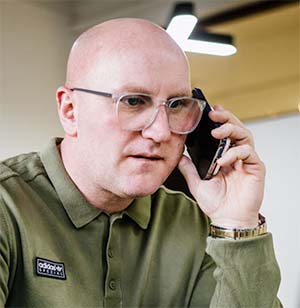


Knowing when to close your limited company is a crucial decision for any director. Chris Worden shares his experience and advice to help you spot the warning signs and act before it's too late.
- Don't wait until everything is lost—act early.
- Watch for five key red flags of insolvency.
- Understand voluntary vs compulsory liquidation.
- Get independent advice before making decisions.
- Protect your mental health and future prospects.
Five Red Flags You Can't Ignore
1. Can't Pay Debts on Time
If you're constantly juggling payments, missing VAT deadlines, or arranging time to pay with HMRC, your business may be cash flow insolvent.
2. Borrowing to Pay Borrowing
Using loans or credit cards to cover day-to-day costs is a sign of decline, not growth. This often leads to personal guarantees and increased risk.
3. HMRC Pressure and Winding Up Threats
HMRC is more aggressive than ever, with extra debt officers and powers to take money directly from your accounts. Ignoring brown envelopes or enforcement agents can quickly lead to a winding up petition.
4. Mental Bandwidth Is Gone
The psychological toll of business debt is real. If you're losing sleep, snapping at family, and constantly firefighting, it's time to consider your options.
5. Tried Everything, Numbers Still Don't Work
If renegotiating with creditors, cutting costs, and time to pay arrangements haven't helped, your business model may no longer be viable.
What Happens When You Decide to Close?
There are two main routes: voluntary liquidation (CVL), where you appoint an insolvency practitioner and retain some control, and compulsory liquidation, where a creditor forces closure through the courts. Voluntary liquidation generally offers more control and less chaos.
Steps to Take Before Shutting Down
- Know Your Numbers: Get clear on your debts, guarantees, and liabilities. Work with a bookkeeper if needed.
- Get Independent Advice: Insolvency practitioners act for creditors, not directors. Seek advice tailored to your interests.
- Act Before You're Forced: Early action gives you more options and control over the outcome.
Key Takeaways
- Recognise the warning signs of insolvency early.
- Don't let pride or fear delay your decision.
- Independent advice can protect you and your future.
- Most directors go on to build stronger businesses after liquidation.
- Chris Worden and Director First are here to help you navigate your options.
Frequently Asked Questions
- What are the main signs my company should close?
- Key signs include inability to pay debts, borrowing to survive, HMRC pressure, mental exhaustion, and numbers that don't add up despite your efforts.
- What is the difference between voluntary and compulsory liquidation?
- Voluntary liquidation is director-led and offers more control, while compulsory liquidation is forced by creditors through the courts.
- Can I be personally liable for company debts?
- Yes, especially if you've given personal guarantees or have overdrawn director's loan accounts.
- How can I protect myself as a director?
- Act early, get independent advice, and understand your liabilities before entering insolvency.
- Where can I get help and advice?
- Contact Director First for free, independent advice tailored to directors.
Need confidential advice? Contact us today for a free, no-obligation chat about your options.