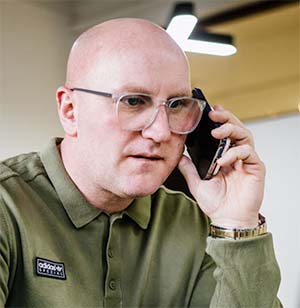


When a business faces insolvency, directors often feel stripped of control and overwhelmed by legal and financial risks. Chris Worden explains why this happens and how you can regain some power in the process.
- Insolvency shifts your legal duties from shareholders to creditors.
- Directors risk personal liability for company debts and decisions.
- Personal guarantees and overdrawn director’s loans are major dangers.
- Wrongful trading and preference payments can lead to further risks.
- Early, clear advice is essential—don’t go it alone.
Understanding the Shift in Director Duties
Once your company can’t pay its debts on time, your legal duty changes. You must act in the best interests of creditors, not shareholders. Failing to recognise this shift can lead to costly mistakes and personal liability.
Why Directors Feel Powerless
Chris Worden highlights that directors often feel powerless because:
- They lose control to insolvency practitioners.
- Their role changes from building the business to protecting creditors.
- They face scrutiny over past decisions and financial records.
Major Risks Directors Face
- Personal Guarantees: Loans or leases you’ve personally guaranteed survive insolvency and can be enforced against you.
- Overdrawn Director’s Loan Accounts: Money taken from the company outside payroll can be reclaimed by the insolvency practitioner.
- Wrongful Trading: Continuing to trade when insolvent can make you personally liable for losses.
- Preference Payments: Paying some creditors ahead of others can be challenged and reversed.
- Asset Transfers: Selling assets below market value can be unwound and investigated.
The Role of Insolvency Practitioners
Once appointed, insolvency practitioners take control of the company’s assets and bank accounts. Their duty is to creditors, not directors. Chris Worden stresses the importance of getting independent advice, as practitioners cannot advise you personally.
HMRC and Creditor Pressure
HMRC has become more aggressive in pursuing arrears, issuing more winding up petitions and enforcement actions. This adds to the pressure and sense of isolation directors feel.
How to Regain Control
- Face your company’s numbers—know your debts and guarantees.
- Get your records up to date to show responsible conduct.
- Engage early with professional advisers like Chris Worden and Director First.
- Don’t hide—cooperate fully to get the best outcome.
Key Takeaways
- Insolvency changes your legal responsibilities overnight.
- Personal guarantees and director’s loans are high-risk areas.
- Wrongful trading and preference payments can lead to personal claims.
- Early, independent advice is crucial—don’t wait until it’s too late.
- Chris Worden and Director First can help you understand and manage your risks.
Frequently Asked Questions
- What happens to directors when a company becomes insolvent?
- Directors’ duties shift to prioritising creditors, and they may lose control of company assets to an insolvency practitioner.
- Can directors be personally liable for company debts?
- Yes, especially if they have given personal guarantees or have overdrawn director’s loan accounts.
- What is wrongful trading?
- Wrongful trading occurs when directors continue to trade knowing the company is insolvent, risking personal liability for losses.
- How can directors protect themselves during insolvency?
- Get independent advice early, keep records up to date, and avoid making preference payments or asset transfers below market value.
- What should I do if I feel powerless as a director?
- Contact a specialist like Chris Worden at Director First for clear, practical advice tailored to your situation.
Need confidential advice? Contact our team today for support and guidance.