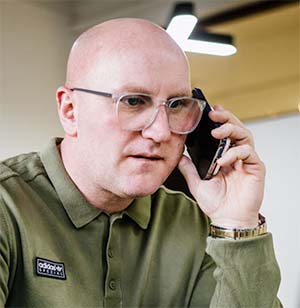


Chris Worden, founder of Director First, shares his journey from business insolvency to leading a disruptive director advisory firm. This article covers his experiences, advice for directors, and the realities of insolvency in the UK.
- Chris Worden built Director First after his own business insolvency.
- Director First educates and advises UK company directors pre-insolvency.
- Financial literacy and cash reserves are crucial for business survival.
- Most directors fail due to lack of timely financial information.
- Director First offers free advice to those unable to pay.
- Transparency and authenticity are key to their approach.
About Director First and Chris Worden
Chris Worden founded Director First after experiencing business insolvency himself. His firm now leads the UK in director advisory, focusing on educating directors before they appoint an insolvency practitioner. Chris’s approach is rooted in transparency and practical advice, aiming to prevent directors from making costly mistakes.
What is Insolvency?
Insolvency occurs when a business cannot pay its debts on time, its liabilities exceed its assets, or it faces legal action such as a CCJ or winding up petition. Chris Worden stresses that failing any of these tests is a prompt to seek professional advice, not necessarily to close the business immediately.
Common Causes of Insolvency
- Poor financial control and lack of forecasting
- Over-reliance on accountants without understanding the numbers
- Insufficient cash reserves
- Directors taking excessive salaries or dividends
- External shocks (e.g., pandemic, market changes)
Director First’s Approach
Director First provides tailored, pre-appointment advice to directors, helping them understand their options and potential personal consequences. Chris Worden and his team focus on education, ensuring directors are fully informed before making decisions. The firm works with a network of licensed insolvency practitioners but remains independent and director-focused.
Financial Education and Reporting
Chris highlights the importance of monthly financial reporting, cash flow forecasting, and maintaining emergency reserves. He criticises the traditional accounting profession for not providing proactive advice and urges directors to seek regular, actionable financial information.
Transparency and Authenticity
Director First stands out by offering free advice to those unable to pay and by producing educational content on YouTube and other platforms. Chris Worden believes in treating every client equally, regardless of their financial situation, and attributes much of the firm’s growth to word-of-mouth and authentic content.
FAQs
- What does Director First do?
- Director First advises UK company directors on insolvency options before they appoint an insolvency practitioner, focusing on education and transparency.
- How can I tell if my business is insolvent?
- If you can’t pay debts on time, liabilities exceed assets, or you face legal action, your business may be insolvent. Seek professional advice promptly.
- What are the main causes of insolvency?
- Poor financial control, lack of cash reserves, excessive director withdrawals, and external shocks are common causes.
- Does Director First charge for advice?
- Director First offers free initial advice, especially for those unable to pay. Fees apply for formal insolvency processes.
- How can directors avoid insolvency?
- Maintain regular financial reporting, build cash reserves, and seek advice early if problems arise.
Key Takeaways
- Chris Worden’s personal experience shapes Director First’s director-focused approach.
- Financial literacy and regular reporting are vital for business health.
- Transparency and education help directors avoid costly mistakes.
- Director First’s disruptive model offers free advice and authentic content.
- Seek professional advice early to maximise options and minimise risk.